
At a State Council Information Office briefing on October 20, China's Ministry of Industry and Information Technology (MIIT) said it is drafting next-generation smart-manufacturing policy measures to deepen "AI + manufacturing" integration — with "industrial agents" emerging as a keyword of the new policy era.
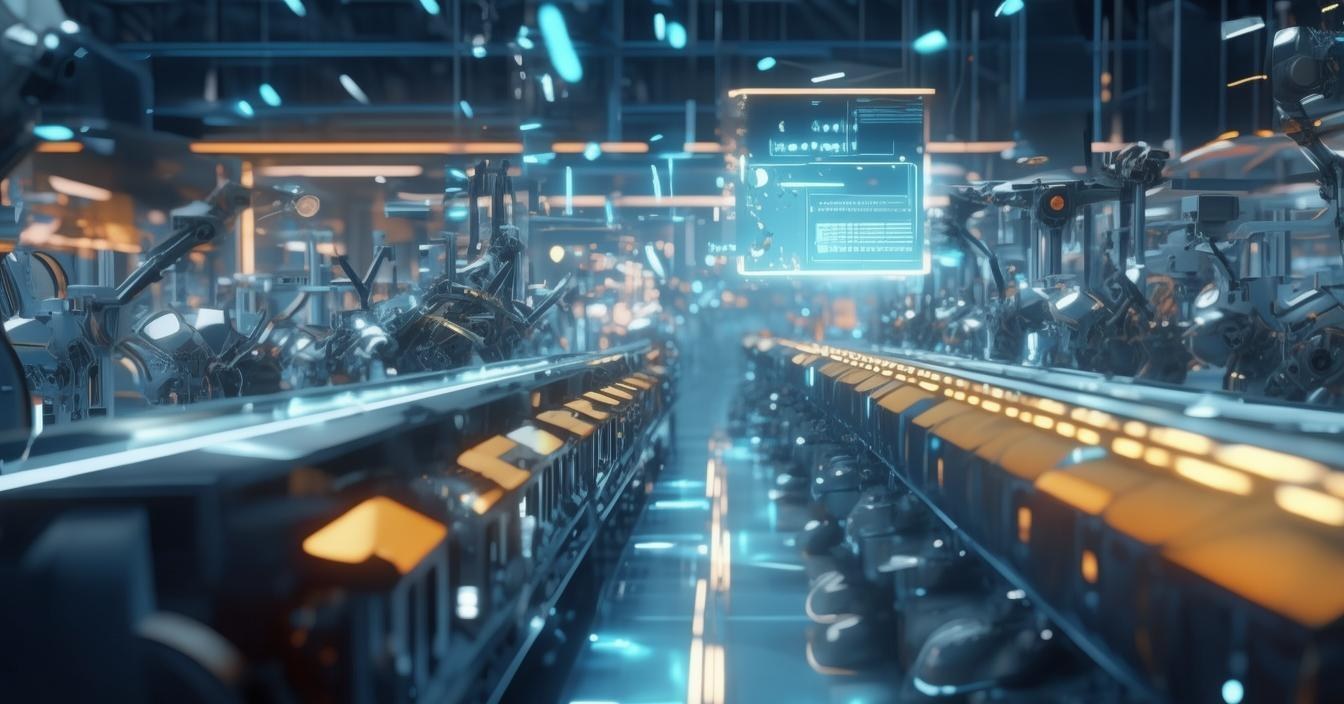
Policy signal: from digitalization to intelligent retrofit
Per Cailian Press and The Beijing News, the forthcoming measures target AI integration across the full manufacturing loop — R&D, production and after-service — with industrial agents positioned as the "operating units" of next-gen smart manufacturing. A day earlier, MIIT Science & Technology Department head Wei Wei had presented the latest progress of the "AI + Manufacturing" special action plan, with policy and action now reinforcing each other.
Q1–Q3 scoreboard
· Value-added output of high-tech manufacturing above designated size: +14.3% YoY
· Digital industry revenue: +14.6% YoY; industry contributed ~35% of GDP growth
· H1 smart-terminal shipments topped 100 million units; domestic compute–model adaptation keeps improving
Demand-side support is expanding too: MIIT will leverage trade-in programs to accelerate adoption of AI PCs and AI phones, letting edge-side intelligence feed data and scenarios back into manufacturing.
Why "industrial agents"?
Unlike the previous round's focus on connected equipment and cloud data, the new policy targets agents that perceive, decide and act autonomously — moving AI from "reading dashboards" to "staffing the line". That raises the bar on model capability, industrial knowledge and safety boundaries; markets read the news as a direct boost for enterprise AI, domestic chips and compute services.
Behind the 14.3% high-tech growth: policy, compute and industry models advancing in parallel.
NineZenith's view aligns with this direction: manufacturing intelligence ultimately depends on vertical models like TianXing that understand processes, plus TianShield-grade security, before agents can truly enter the workshop. The policy rollout deserves every manufacturing CIO's attention.
(Compiled from public reports by Cailian Press, The Beijing News, Jiemian and Sina Finance)