
On November 19, six government departments headed by the Ministry of Industry and Information Technology published the 2026 Lighthouse-Level Smart Factory cultivation list. The Seres Super Factory earned a spot with its industry-brain-driven, fully integrated new energy vehicle smart factory. Lighthouse-level sits at the top of China's tiered smart factory system, a tier built around digital transformation, networked collaboration and experiments in what manufacturing might become.
This is the plant that builds the AITO M9 and the new M8. More than 3,000 robots work in coordination, with fully automated key processes. AI vision inspection watches over production at hair-width precision. Automated quality checks run around the clock across every process, and the new M9 goes through its entire pre-delivery inspection, road testing, function tests and automated parking without a single human stepping in.
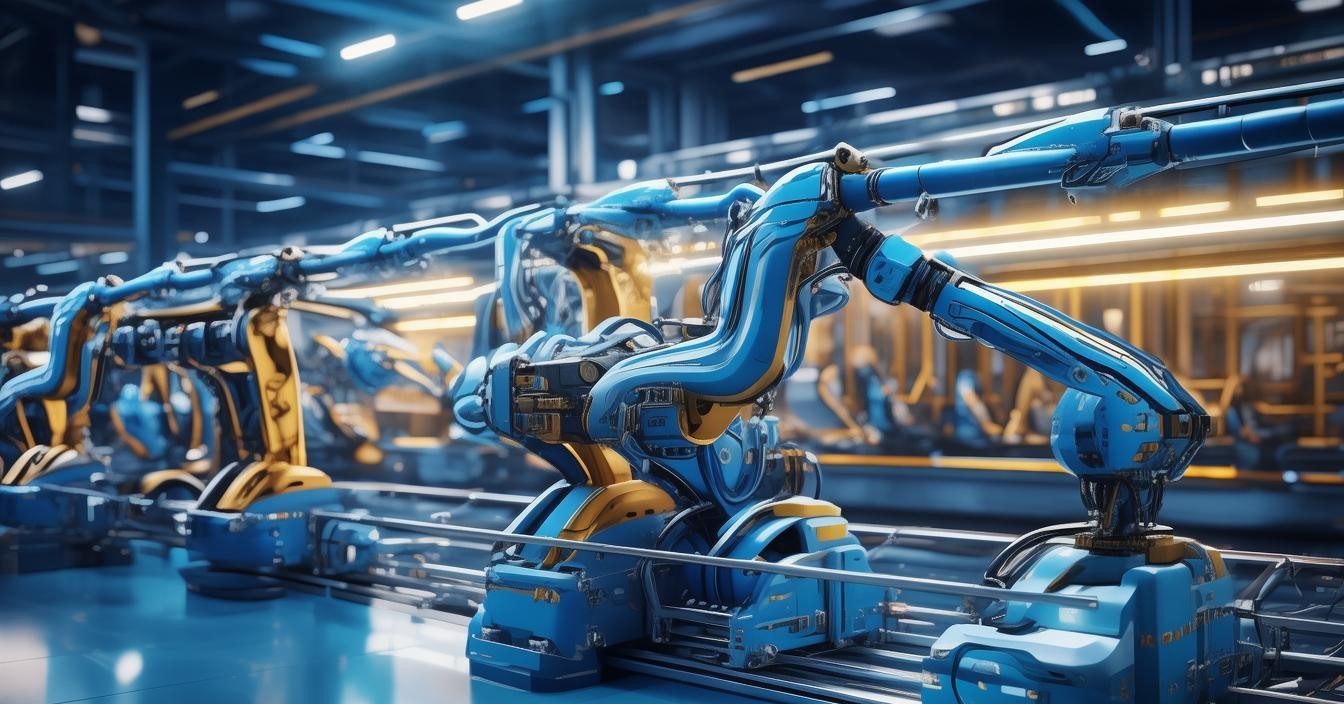
Process and logistics hold up the factory's other two pillars. A 10,000-ton integrated die-casting machine anchors its highly integrated manufacturing. The plant also became the first to bring port-style automated container tractors onto the production floor, running logistics around the clock. CATL and other suppliers operate inside the factory itself, under an embedded "factory-in-factory" arrangement, with 100 percent of energy consumption data online and analyzable.
What the lighthouse list actually measures is not point automation but a single industry brain orchestrating R&D, supply chain, production, inspection, logistics and energy management. By the company's count, AITO deliveries have surpassed 1.23 million vehicles.
The center of gravity in smart factory evaluation keeps drifting from connected equipment toward intelligent decision-making. EV makers, on this cultivation list, now sit at the front.