
At the 9th China International Import Expo in Shanghai on November 6, Siemens Healthineers and Alibaba DAMO Academy signed a strategic cooperation agreement. According to PR Newswire and MyDrivers, the two sides will combine DAMO Academy's plain-CT "one scan, multiple screenings" AI with Siemens Healthineers' imaging equipment and clinical applications to bring multi-disease screening from a single scan into hospital settings.
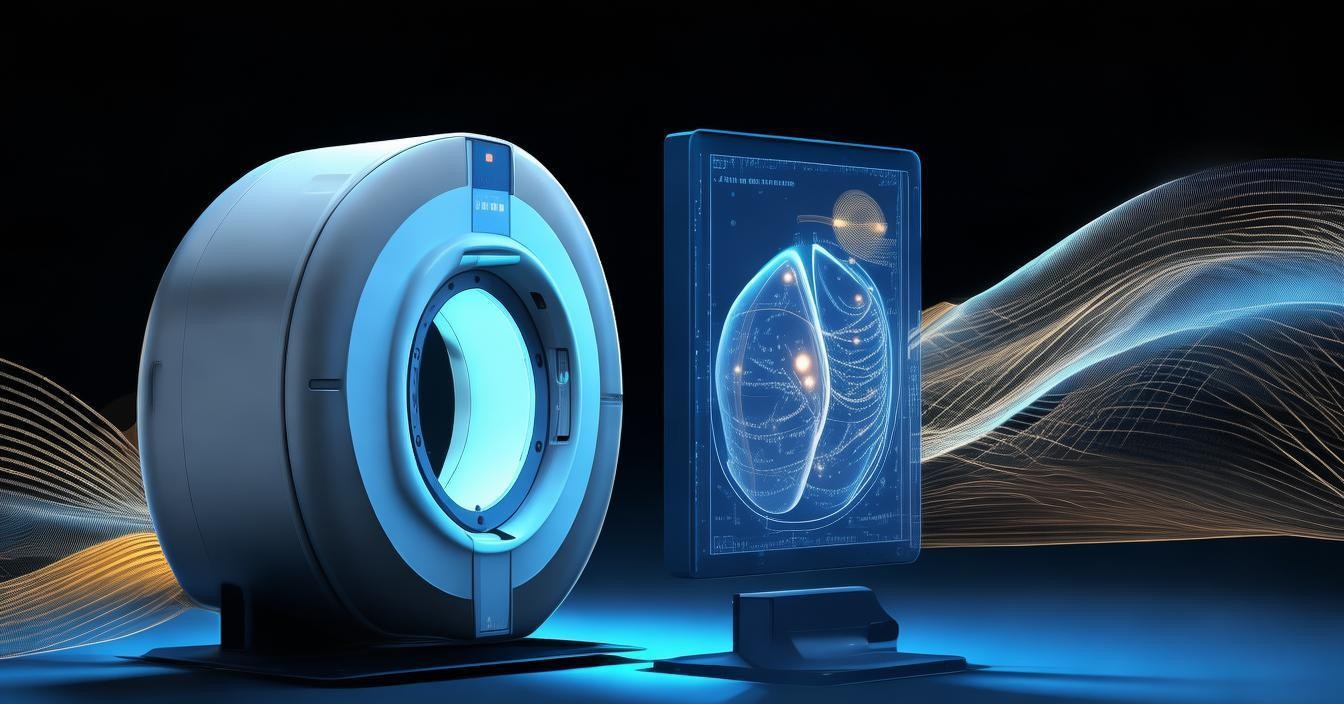
The approach is straightforward: AI identifies subtle lesions on plain CT scans that are hard to catch by eye, letting a routine scan carry far more screening value. The partnership will prioritize early detection of pancreatic, gastric, colorectal, esophageal and liver cancers — the deadliest tumor types — along with aortic dissection and pulmonary embolism, acute cardiovascular emergencies that routine check-ups most often miss.
The scale is already there. According to IT Home, DAMO Academy's medical AI has served more than 50 million person-times across medical institutions in 10 countries and regions. Combined with Siemens Healthineers' installed base, the path from model to hospital department gets much shorter: the vendor's channel brings the model to the modality, and daily scanning routines turn it into workflow.
The cooperation also extends to next-generation hardware. Built on photon-counting CT — regarded in the industry as the most significant imaging breakthrough of the past decade — the two companies will work with Ruijin Hospital and other institutions on AI research, clinical validation and application, exploring how lower radiation doses can reveal even finer early lesions. Balancing dose against detection rate is the key constraint on whether CT screening can move from auxiliary tool to routine standard.
Lethal cancers like pancreatic cancer show almost no early symptoms, and routine CT reports typically focus on the patient's chief complaint, leaving many subtle lesions unread in the images. "One scan, multiple screenings" expands the value of every scan across diseases — more screening capacity at zero added burden on the patient. After the signing, the real bottleneck shifts to hospitals: workflow integration, review and approval, and liability — the same gate every medical AI has to pass on its way to scale.