
Industry data disclosed on November 27 showed optical fiber manufacturing profits up 6.7 times year over year in the first ten months, with intelligent computing center construction as the main driver, and analysts expect the global supply-demand squeeze in optical fiber and cable to persist.
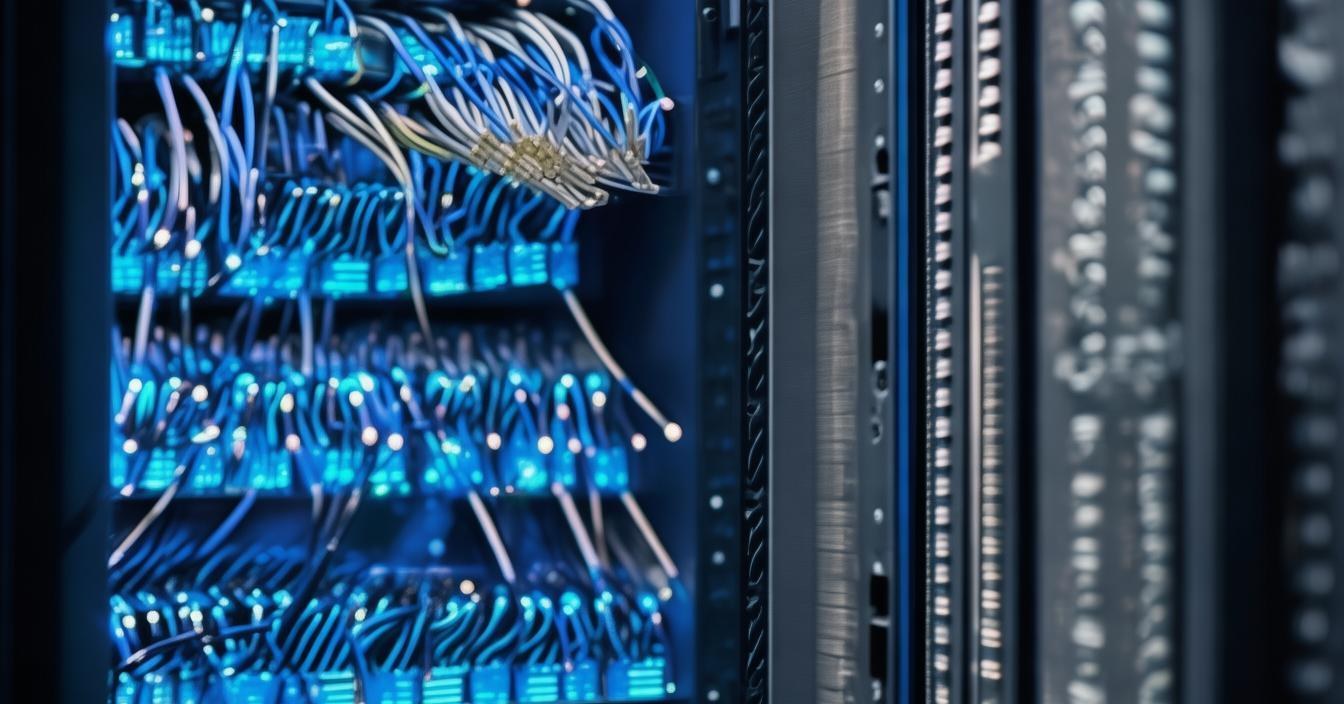
AI computing centers consume fiber differently from traditional data centers, since dense GPU interconnects inside racks, backbone links between facilities and east-west traffic in compute networks all ride on the fiber layer, and each GPU now carries far more optical connections than before, with short-reach multimode fiber inside facilities and single-mode coherent links between them, lifting both volume and specifications.
Optical modules, fiber preforms and backbone cable segments have entered a high-cycle zone, and market discussion of the 400G to 1.6T transmission upgrade is heating up at the same time, positioning telecom infrastructure as the first link where AI capex shows up in earnings. The previous fiber cycle was driven by broadband and mobile fronthaul builds, and AI demand opens a new curve with different underlying logic.
Analysts expect the tight supply-demand balance in optical fiber and cable to continue, shifting fiber manufacturing's growth logic from a traditional cyclical industry toward AI-driven demand, with the demand curve tied to groundbreaking and expansion schedules of computing centers.
One caveat is that 6.7-fold growth usually reflects a low base, so growth rates will likely moderate as the base rises, and demand durability depends on actual construction progress and absorption in the compute rental market.
Fiber is the physical substrate of the compute network, and this profit print puts AI infrastructure spending onto industrial balance sheets, more convincing than thematic enthusiasm.