
On November 23, Zhiyuan Robotics completed line integration for its Elf G2 humanoid robot at JCET's Lingang plant, putting the machine into trial operation on a chip packaging and testing line where it handles tray loading and unloading, a signal that humanoid workers are moving into semiconductor back-end manufacturing.
The deployment sits in the automotive electronics production zone. Tray loading and unloading ranks among the most repetitive and physically taxing jobs on the floor, and with standardized material shapes and fixed motion paths it is exactly the kind of work today's humanoids handle best. Chinese markets read the news quickly, with humanoid robot concept stocks hitting their daily price limits in droves and robot-sector ETFs gaining more than 8 percent.
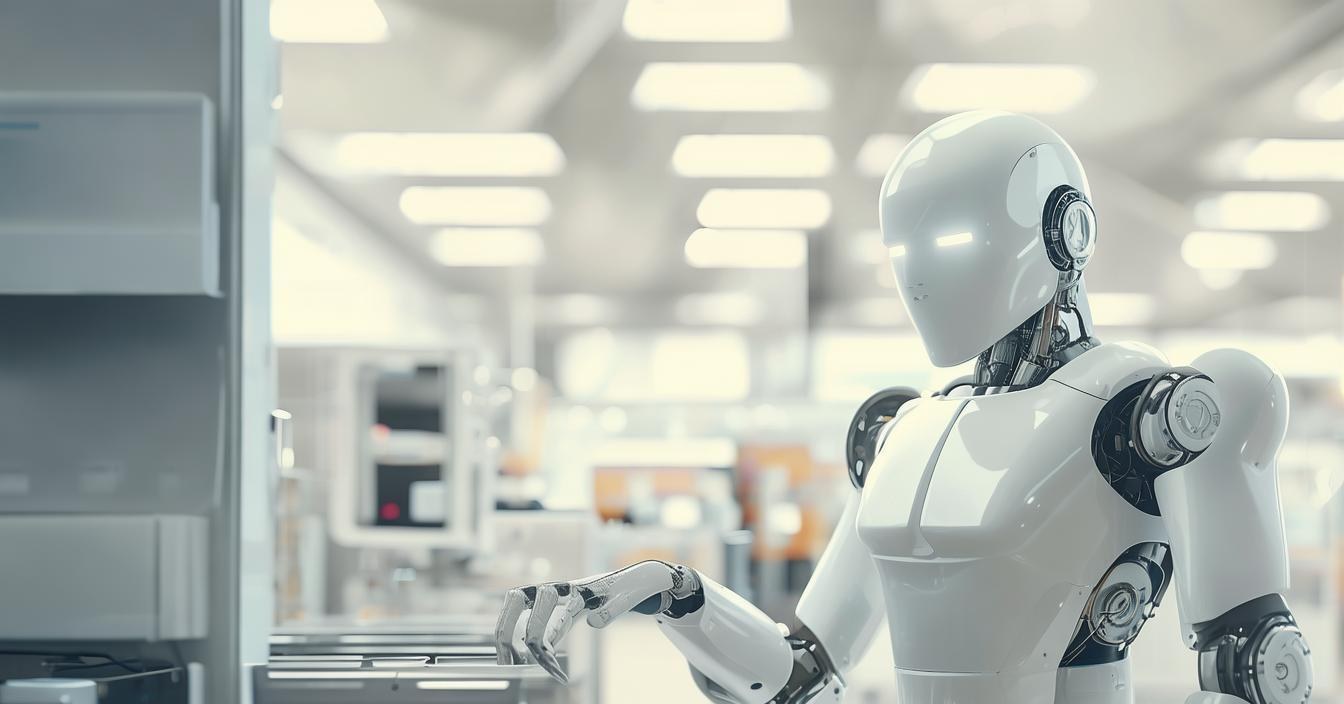
A chip packaging plant is a far tougher environment than a typical factory. Cleanliness, electrostatic discharge protection and micron-level positioning precision are all hard constraints, and the robot has to navigate and work among densely packed line equipment, which multiplies the difficulty of obstacle avoidance and coordinated scheduling. Zhiyuan and JCET broke the process into staged phases, from pre-integration assessment to small-batch trial runs, validating at a single workstation first before discussing wider rollout.
Labor scarcity in semiconductor back-end operations forms the immediate backdrop. Packaging and testing is labor-intensive, night shifts are especially hard to staff, and attrition stays persistently high, so replacing repetitive posts with robots has become the industry's shared answer. JCET is China's packaging and testing leader, which gives its production floor exemplary weight for the whole sector, and by sending its first volume-production robots into a flagship plant Zhiyuan gains a stream of data from a genuinely industrial environment.
Distance remains between a showcase and scaled replication. Elf G2 is in trial operation at a single campus for now, and unit economics, maintenance costs and synchronization with line takt times all need time to prove out, yet the door of chip manufacturing opening to robots is itself the story, as smart-manufacturing upgrades push beyond material handling and packaging into core processes with far tighter precision demands.