
Runze Technology is accelerating construction of datacenters in Batam, Indonesia and Hong Kong, with the first 60MW of capacity entering the completion stage, according to Zhiding's “Going Global” column.
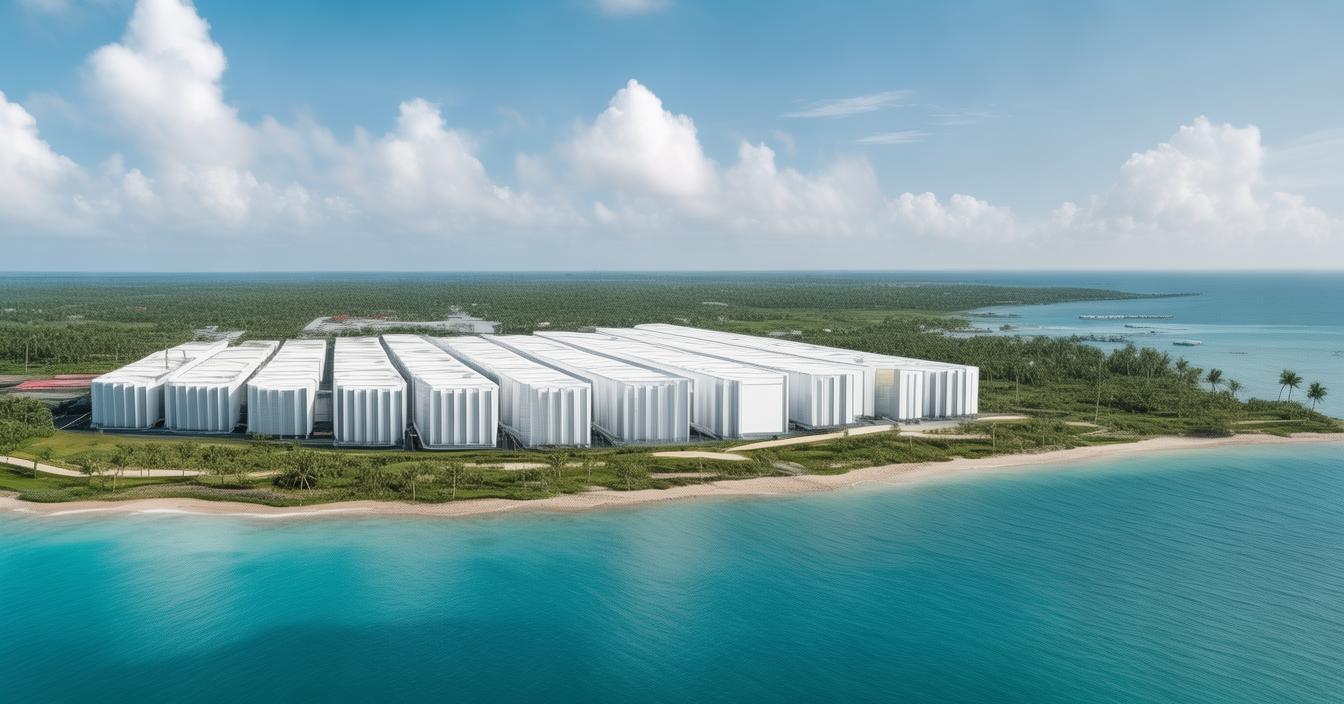
60MW is not a large number, but the location matters. Batam sits across the strait from Singapore, the traditional spillover ground for Singapore's compute demand — with land and energy constrained and datacenter construction long restricted locally, Batam has become a key node for Southeast Asian compute. The Hong Kong site targets international network and financial clients, complementing mainland facilities. Both point to the same customer: AI and internet companies needing compute outside mainland China.
The push behind it is spillover from domestic AI demand. Training and inference for large models draw power densities far beyond traditional colocation, while tier-one cities tighten energy quotas, making land and power harder to secure at home. Placing new capacity in overseas campuses with ample energy and open policy is becoming standard practice for leading operators rather than an option.
For Runze, the project is also a test of business structure. Its base is wholesale datacenters around Beijing with high customer concentration; overseas projects face entirely different sales logic, power pricing and compliance. The absorption rate and order quality after the first 60MW delivers will decide whether expansion replicates the Langfang playbook or starts anew.
China's AI-compute going-global story is extending from equipment exports — optical modules, servers — to exports of datacenter capacity itself. After this first batch closes, the pace of phase-two groundbreaking is what to watch.